Freezone vs Mainland License in the UAE: Which One Is Actually Right for Your Business?
Starting a business in the UAE is one of the most exciting decisions an entrepreneur can make, but it comes with one big question that almost everyone gets stuck on: should you choose a freezone license or a mainland license?
If you have been searching for clarity on freezone vs mainland in the UAE, you are not alone. This is the single most common question new investors ask before they even think about office space, visas, or bank accounts.
The good news is that the UAE has built one of the most flexible and business-friendly environments in the world, and both freezone and mainland setups offer genuine advantages.
There is no universally "better" option here. The right choice depends entirely on your business activity, your target customers, your budget, and your long-term growth plans.
What Is a Mainland License?
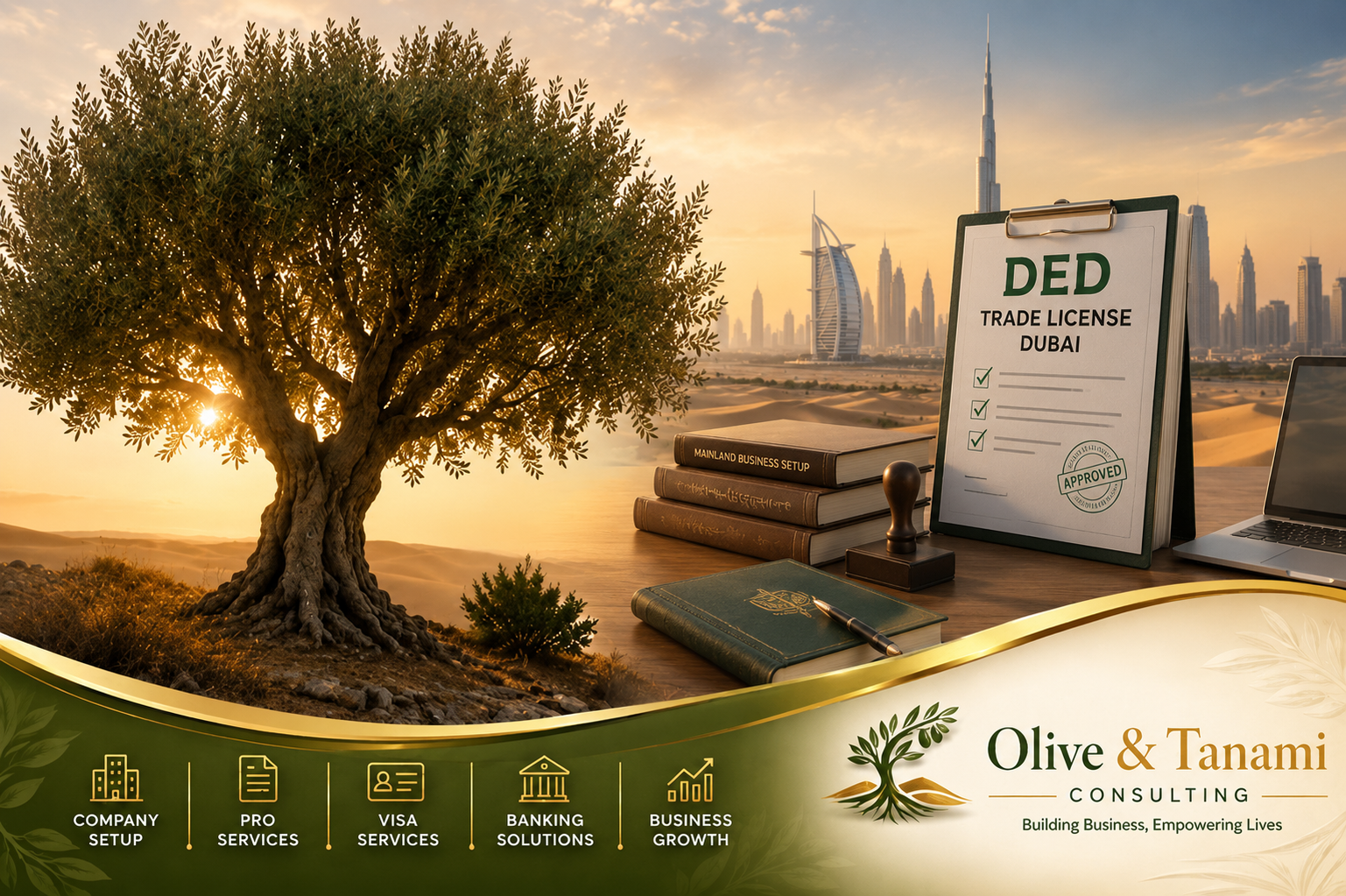
A mainland license, sometimes called an onshore license, is issued by the Department of Economic Development (DED) in the relevant emirate, such as Dubai, Abu Dhabi, or Sharjah. A business with a mainland license can operate anywhere in the UAE and is not restricted to a single jurisdiction.
This means you can open offices across multiple emirates, take on government contracts, and trade directly with the local UAE market without needing a local distributor.
One of the most attractive recent changes is that the UAE now allows 100% foreign ownership for most mainland business activities. In the past, mainland companies required a local Emirati sponsor or service agent who held a majority stake.
Today, for the vast majority of commercial and professional activities, foreign investors can own their mainland company outright. This single change has made the mainland option significantly more appealing to international entrepreneurs who want full control of their company.
Mainland companies are also free to bid for government tenders and contracts, something freezone companies generally cannot do. If your long-term goals include working with government entities or large UAE-based corporations, a mainland setup gives you a real advantage.
What Is a Freezone License?
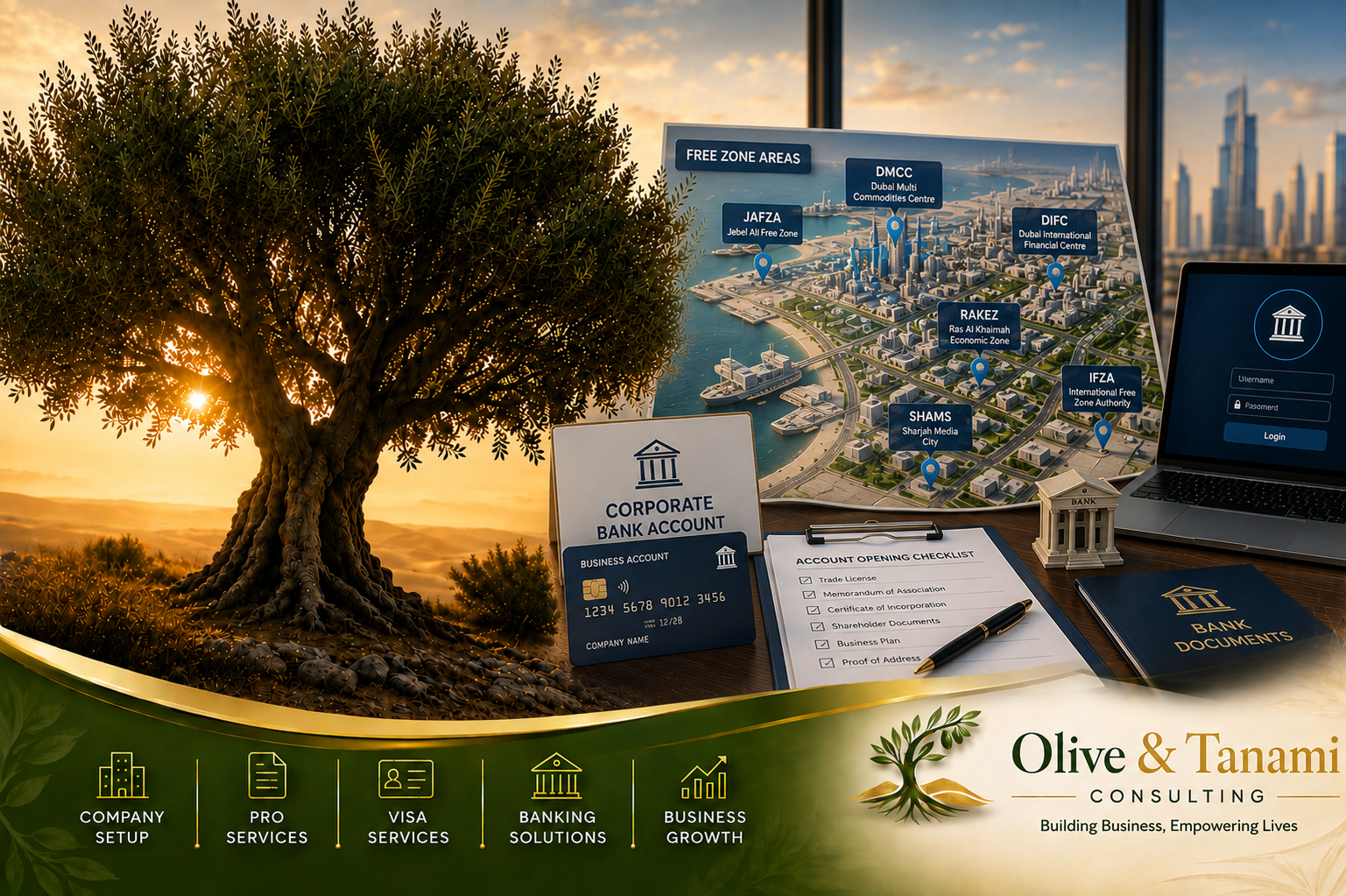
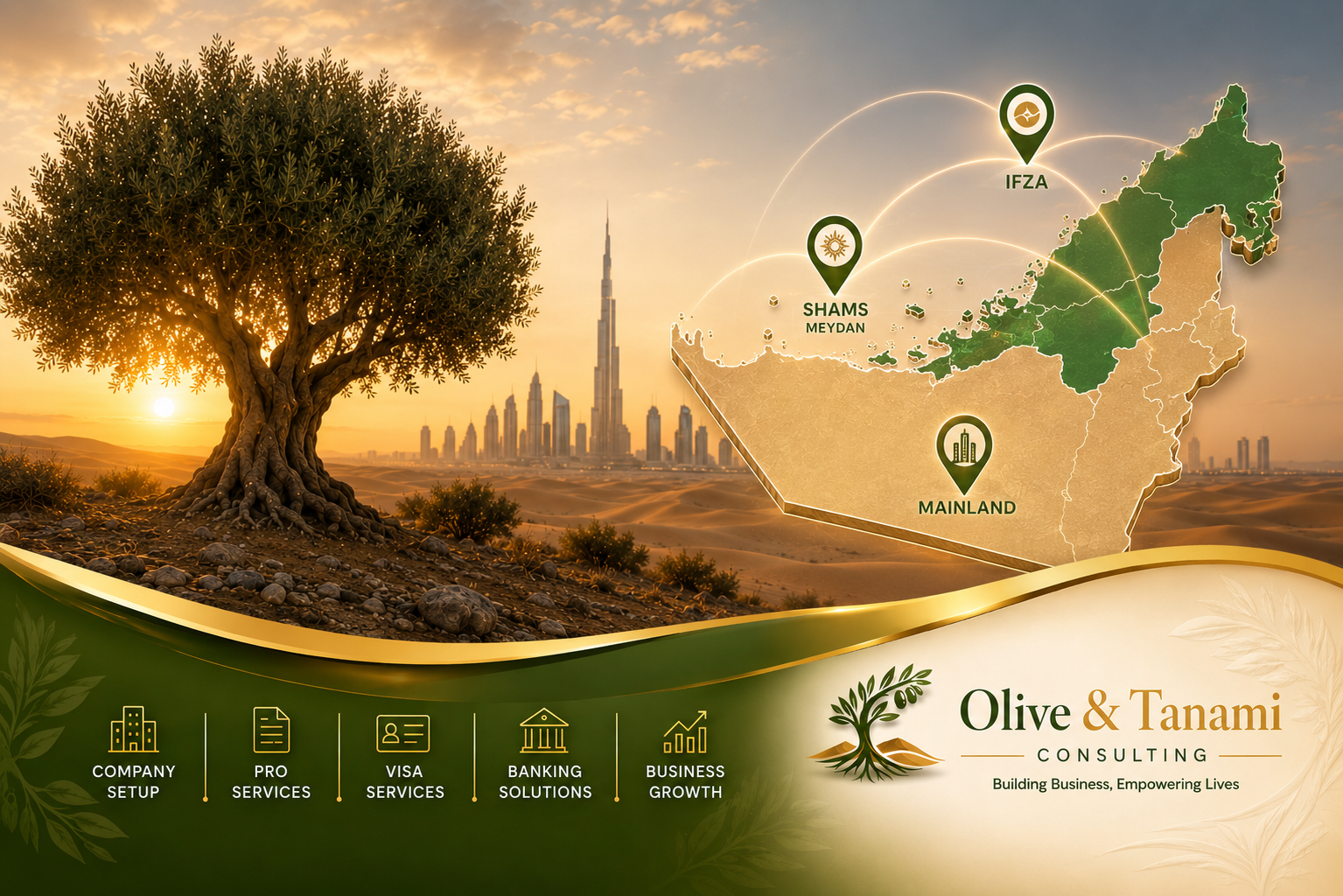
A freezone license is issued by one of the UAE’s many free zone authorities, such as IFZA, DMCC, Meydan Free Zone, RAKEZ, SHAMS, and DIFC, among dozens of others. Each free zone is a designated economic area with its own regulations, and businesses registered there benefit from a separate legal and regulatory framework compared to mainland companies.
Free zones were originally created to attract foreign investment by offering full foreign ownership, simplified setup procedures, and a range of tax benefits.
Even though mainland companies can now also offer full ownership, free zones remain extremely popular because of their speed, affordability, and simplicity, especially for startups, freelancers, consultants, and e-commerce businesses.
The trade-off is that companies licensed in a free zone are generally restricted from doing direct business within the UAE mainland market unless they appoint a local distributor or open an additional mainland branch.
This restriction is the single biggest factor that separates the freezone vs mainland decision-making process for most new business owners and investors entering the UAE market.
Freezone vs Mainland: The Core Differences
Understanding the practical differences between freezone and mainland licensing is essential before choosing the right structure for your UAE business.
Ownership Structure
Both options generally allow 100% foreign ownership. However, eligibility can vary depending on the chosen business activity.
Where You Can Do Business
Mainland companies can operate throughout the UAE, while freezone companies are typically limited to freezone and international markets unless additional arrangements are made.
Office Space Requirements
Mainland companies usually require leased office space, while freezones often provide flexible desk, shared workspace, or virtual office options.
Visa Allocation
Visa eligibility depends on office size and package type. Mainland businesses often qualify for larger visa quotas.
Cost of Setup
Freezones are often more cost-effective for startups, while mainland structures offer broader market access and growth opportunities.
Taxation
Both fall under UAE Corporate Tax rules, although qualifying freezone entities may continue to enjoy tax incentives on qualifying income.
Regulatory Authority
Mainland companies are governed by the DED, while freezone businesses are managed by their respective freezone authority.
Freezone vs Mainland: Quick Comparison Table
Here's a side-by-side snapshot of the key factors covered above, useful if you want a quick overview before making a decision.
| Factor | Mainland | Freezone |
|---|---|---|
| Foreign Ownership | 100% for most activities | 100% ownership standard |
| Where You Can Trade | Anywhere in the UAE | Free Zone + International Markets |
| Government Contracts | Eligible to bid | Generally not eligible directly |
| Office Requirement | Physical Ejari-registered office | Flexi-desk or virtual office options |
| Typical Setup Cost | Usually higher | Usually lower |
| Visa Allocation | Often scales with office size | Depends on package selected |
| Corporate Tax | Standard rate above threshold | 0% possible on qualifying income |
| Regulator | DED of the relevant emirate | Specific Free Zone Authority |
| Best Suited For | Local trade, retail, government work | International, online & service businesses |
Advantages of a Mainland License
A mainland company structure is often the preferred choice for businesses planning to serve the UAE market directly and scale their operations across multiple emirates. If you would like a deeper understanding of licensing requirements, setup costs, and compliance obligations, explore our UAE Mainland Company Setup Guide .
Full UAE Market Access
Trade directly with customers and businesses throughout the UAE without restrictions.
Government Contract Eligibility
Bid for government tenders and public sector contracts across the UAE.
Unlimited Branch Expansion
Open multiple branches across different emirates as your business grows.
Location Flexibility
Choose office locations based on operational needs and commercial opportunities.
Scalable Visa Allocation
Increase employee and investor visas in line with office expansion and business growth.
100% Foreign Ownership
Most mainland business activities now allow complete foreign ownership.
Advantages of a Freezone License
Free zone companies remain one of the most popular business structures in the UAE because they combine affordability, flexibility, and international reach. If you are considering establishing a business in a UAE free zone, our Free Zone Company Formation Dubai Guide provides a detailed overview of setup procedures, costs, licensing options, and compliance requirements.
100% Foreign Ownership
Full foreign ownership has been a defining advantage of UAE free zones for decades.
Lower Setup Costs
Often more affordable than mainland structures, especially for startups and entrepreneurs.
Fast Registration Process
Many free zone authorities can complete company registration within a few business days.
Flexible Office Solutions
Access flexi-desks, virtual offices, co-working spaces, and serviced office facilities.
Potential Tax Benefits
Qualifying free zone entities may benefit from a 0% corporate tax rate on qualifying income.
Profit Repatriation
Enjoy 100% repatriation of profits and capital without ownership restrictions.
No Currency Restrictions
Conduct international business transactions without exchange control limitations.
Ideal for Global Businesses
Perfect for international trading companies, e-commerce brands, consultants, and remote-first businesses.
Which One Should You Choose?
There is no one-size-fits-all answer. The right business structure depends on your customers, growth plans, operational needs, and long-term objectives.
Choose Mainland If...
- You plan to serve UAE-based customers directly.
- You want to bid for government contracts and tenders.
- You require a retail store, showroom, or physical office presence.
- You intend to expand across multiple emirates.
- You expect significant long-term growth within the UAE market.
Choose Freezone If...
- Your business primarily serves international customers.
- You operate online, remotely, or provide professional services.
- You are a startup, freelancer, or solo entrepreneur.
- You want a faster and more affordable setup process.
- You prefer streamlined administration under one authority.
A Practical Middle Ground
Many entrepreneurs choose a hybrid growth strategy. They start with a freezone company to minimise setup costs and administrative requirements, then establish a mainland presence later as local opportunities increase. This approach allows businesses to validate their model, build revenue, and expand into the UAE market when the timing is right.
Common Misconceptions About Freezone vs Mainland Licensing
A lot of entrepreneurs enter the UAE market with outdated information. Understanding the reality behind these common misconceptions can help you make a more informed business setup decision.
Free Zone Companies Cannot Trade with the UAE Market
This is not entirely true. Free zone companies can work with UAE mainland clients through a local distributor, agent, or by establishing a mainland branch. Many businesses successfully serve customers across the UAE using these structures.
Mainland Companies Are Always More Expensive
While mainland businesses often have higher initial office-related costs, total expenses depend on the activity, visa requirements, location, and authority involved. In some cases, mainland packages can be surprisingly competitive.
Free Zone Companies Never Pay Corporate Tax
Only qualifying income from qualifying activities may benefit from the 0% corporate tax rate. Businesses must satisfy specific UAE tax regulations and compliance requirements to retain these benefits.
Steps to Set Up Your Business in the UAE
Regardless of which jurisdiction you choose, the general process follows a similar path. Understanding these steps helps ensure a smoother and more efficient company formation journey.
Define Your Business Activity
Determine the activity your company will undertake, as this influences licensing requirements and the authority responsible for regulation.
Choose Your Jurisdiction
Select between a mainland setup or a specific free zone based on your business objectives, target market, and operational requirements.
Select Your Legal Structure
Choose the most suitable legal entity, such as an LLC, sole establishment, branch office, or another approved structure.
Reserve Your Trade Name
Secure a company name that complies with UAE naming regulations and reflects your business identity.
Obtain Initial Approval
Receive confirmation from the relevant authority that your proposed activity and business structure are acceptable.
Secure Office Space
Mainland companies generally require Ejari-registered premises, while free zones may offer flexi-desks or virtual office solutions.
Submit Documents & Pay Fees
Complete the application process by submitting required documentation and paying the applicable government and licensing fees.
Receive Your Business License
Once approved, your company can begin operations and proceed with visa applications, banking, and other setup requirements.
Working with an experienced business setup consultancy can significantly reduce delays, prevent costly mistakes, and ensure your company formation process is completed efficiently from start to finish.
A Closer Look at Free Zone Variety
One detail that surprises many new investors is just how many free zones actually exist across the country, each with its own personality, pricing, and specialty. Dubai alone is home to more than two dozen designated economic zones, each tailored to a particular industry.
DMCC focuses heavily on commodities and trading companies. Dubai Internet City caters to technology firms. Dubai Media City supports broadcasters, agencies, and content creators. Meanwhile, IFZA and SHAMS have built reputations as cost-effective, fast-turnaround options popular with consultants, e-commerce sellers, and small service providers.
Abu Dhabi, Sharjah, Ras Al Khaimah, and the other emirates each maintain their own zones too. RAKEZ is known for industrial and warehousing solutions, while Hamriyah Free Zone attracts manufacturing and logistics businesses.
Trading & Commodities
Technology & Innovation
Media & Creative Industries
Startups & SMEs
Industrial & Warehousing
Manufacturing & Logistics
The Right Free Zone Is About Fit, Not Just Price
Choosing a free zone should never be based solely on setup costs. The most successful businesses select jurisdictions that align with their industry, operational requirements, reputation goals, and long-term growth plans.
This is where experienced advisors add real value. Instead of comparing dozens of authorities independently, a specialist can quickly identify the most suitable options based on your activity, budget, visa requirements, and expansion objectives.
How Banking and Financial Setup Differs
Opening a corporate bank account is one of the most underestimated steps in launching a UAE company. While mainland companies are often perceived as lower-risk due to their local regulatory framework and established office requirements, successful account approval depends far more on documentation quality, business transparency, and commercial substance than on jurisdiction alone.
Mainland Perspective
Banks often view companies licensed directly through the DED positively because they typically have established office premises, local operations, and a clearer domestic trading footprint.
Free Zone Perspective
Thousands of free zone businesses successfully open accounts every year. Strong applications usually include office agreements, contracts, invoices, ownership transparency, and realistic transaction forecasts.
What Banks Need
Compliance teams generally look for a clear business model, source of funds, customer profile information, expected banking activity, and supporting commercial documentation.
Strong Documentation Wins
The UAE banking sector has become increasingly rigorous due to international compliance standards. Entrepreneurs should expect detailed due diligence questions about ownership, transactions, customers, and business activities. This is not a barrier to entry. It is simply part of operating within one of the world's most respected financial centres.
Government Contracts and the Local Market Advantage
For entrepreneurs who eventually want to work with UAE government entities, semi-government organisations, or large local conglomerates that prefer onshore suppliers, holding a mainland trade licence often becomes essential rather than optional.
Many tenders explicitly require bidders to be registered with the relevant Department of Economic Development (DED), often alongside additional classifications, approvals, or certifications depending on the sector involved, such as construction, healthcare, engineering, logistics, or facilities management.
This does not mean a free zone company is permanently excluded from government opportunities. Many businesses initially establish themselves within a free zone and later open a mainland branch to access government contracts and the wider UAE market.
This approach allows companies to maintain their original free zone entity for international trade, intellectual property ownership, holding activities, or specialised tax planning, while simultaneously benefiting from mainland market access and local commercial credibility.
For many growing businesses, this hybrid structure delivers the best of both worlds by combining operational flexibility with long-term expansion opportunities.
Renewal, Compliance, and Ongoing Obligations
Company formation is only the first step. Every UAE business must meet ongoing regulatory, tax, and licensing requirements to remain compliant and operate smoothly.
Annual License Renewal
Renew your trade license on time to avoid penalties, restrictions, or business interruptions.
VAT & Tax Compliance
Depending on eligibility and revenue thresholds, VAT registration and corporate tax obligations may apply.
Bookkeeping & Records
Maintain accurate financial records and supporting documentation for compliance purposes.
Free Zone Requirements
Qualifying entities must meet substance and income requirements to retain available tax benefits.
Labour & Visa Obligations
Businesses employing staff must comply with labour regulations, visa renewals, and sponsorship requirements.
Professional Support
Many companies engage accountants or compliance specialists to manage recurring obligations efficiently.
Industry-Specific Considerations
The right business structure often depends on the nature of your activity. While some industries benefit from mainland registration, others are ideally suited to free zone environments.
Retail & Hospitality
Physical stores, restaurants, cafés, and customer-facing businesses typically require mainland registration together with sector-specific approvals.
Digital & Service Businesses
Consultants, software firms, digital agencies, and e-commerce businesses often benefit from the flexibility and lower overheads offered by free zones.
Professional & Regulated Activities
Legal, accounting, healthcare, and financial services may require additional approvals regardless of whether the business is established in a free zone or mainland jurisdiction.
A Quick Word on Switching Later
One important thing to remember is that your initial business setup choice is not necessarily permanent. Many companies begin in a free zone and later expand into the mainland once they establish local demand and operational stability.
Similarly, some mainland businesses choose to add a free zone presence to benefit from industry-specific ecosystems, international operations, or specialised incentives. While restructuring involves approvals and administrative processes, it is a common path for growing businesses.
Free Zone vs Mainland Business Setup FAQ
Start by evaluating your target customers, operational requirements, visa needs, office requirements, and future growth plans. The right choice often becomes clear once these factors are mapped against your business model.
Yes. If your primary customers are located within the UAE mainland, a Mainland company may offer greater flexibility. If your focus is international trade or serving clients outside the UAE, a Free Zone company may be sufficient.
Not always. Many Free Zones offer flexi-desk and virtual office solutions, while certain Mainland activities may require a physical office depending on licensing and operational requirements.
Businesses planning to bid for government or semi-government projects often find Mainland companies better positioned to access such opportunities.
Your anticipated team size plays an important role. Different jurisdictions have varying visa allocation policies and expansion options.
Absolutely. Setup costs, office requirements, visa expenses, and annual renewal fees can vary significantly.
No. Certain regulated or customer-facing activities may require dedicated office premises.
Professional guidance is recommended before making a final decision, especially for regulated activities or expansion plans.
Yes. Many businesses start with one structure and transition as they grow.
What does my business need over the next two to five years? Long-term objectives usually provide the clearest answer.
Final Thoughts
Choosing between a mainland and free zone license is one of the most important decisions when starting a business in the UAE. Mainland companies offer unrestricted local market access and greater expansion opportunities, while free zones provide cost-effective setup, operational flexibility, and a streamlined regulatory environment.
Both options now offer 100% foreign ownership and access to one of the world's most dynamic business destinations. The right choice ultimately depends on your business activity, target market, and long-term objectives.